Modern businesses handle massive volumes of digital information across various channels, including emails, chats, documents, and collaboration tools. Data grows quickly, and legal teams feel the pressure to respond to investigations, audits, and disputes with speed and accuracy. A strong discovery strategy becomes essential as organizations adapt to rising regulatory demands and complex digital environments.
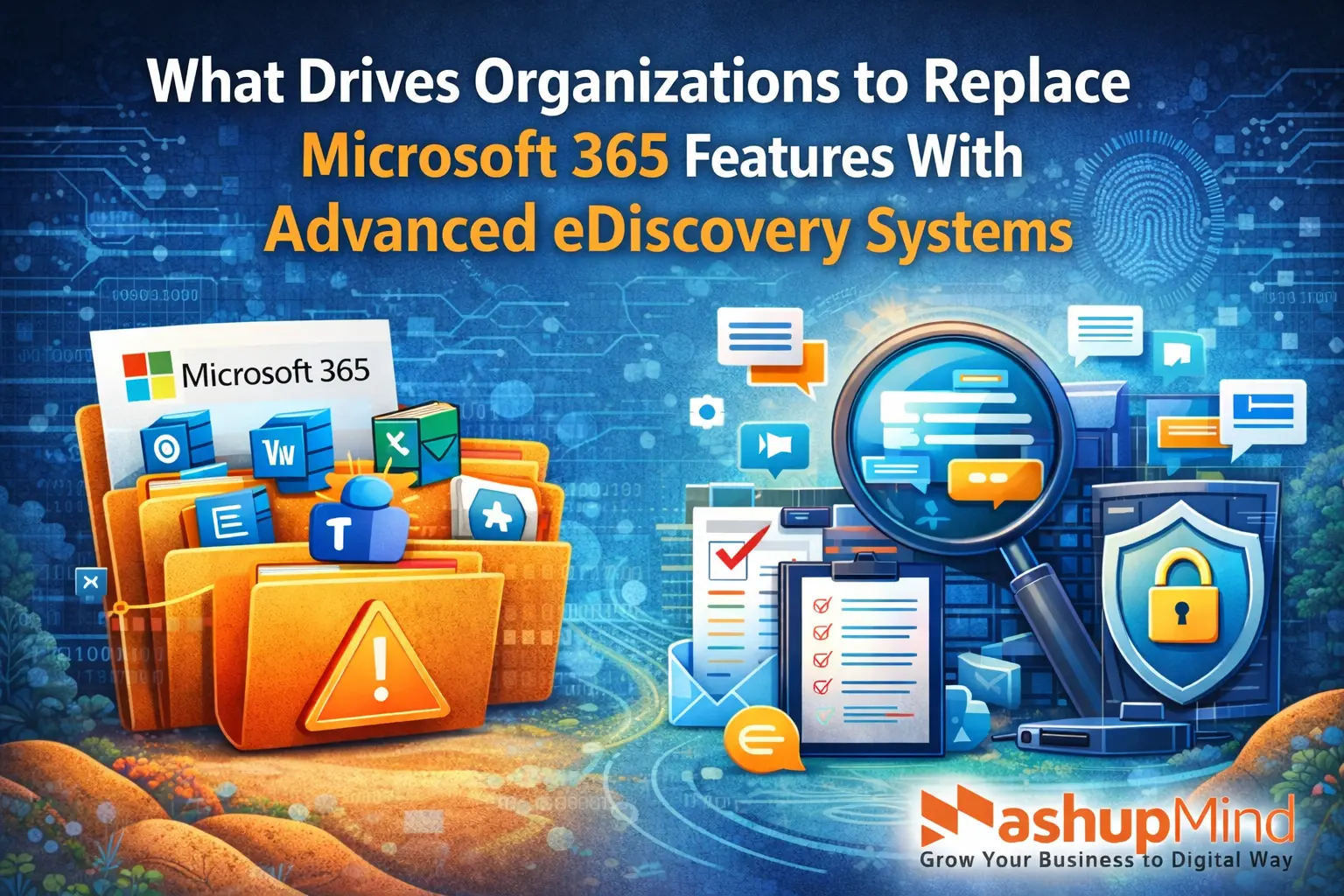
Leaders seek solutions that deliver deeper insights, refined search accuracy, and reliable data governance. Many realize that basic features inside Microsoft 365 leave critical gaps when facing detailed legal requests. Hence, many think the shift from Microsoft 365 eDiscovery is needed.
The Rising Need for Specialized Discovery Capabilities
Legal teams require tools that handle diverse communication data with sharp clarity. Basic search functions inside Microsoft 365 fall short when professionals need high-precision filtering across broad datasets. Specialized platforms deliver stronger analytics and targeted search controls.
Advanced systems help teams surface key information quickly. They provide faster review cycles and help reduce manual effort during critical investigations. Stronger visual insights also help teams make quicker decisions.
Also read: An Ultimate Aiotechnical.com Computer Guide
Limited Flexibility in Complex Legal Scenarios
Microsoft 365 features support general productivity needs, but they struggle with nuanced legal workflows. Complex matters demand flexible review stages and customizable tagging structures. Legal teams need systems built to support deeper case analysis.
Advanced platforms give teams the freedom to adjust tasks as cases change. Dynamic review paths help legal professionals examine datasets from different angles. This level of adaptability strengthens legal strategies.
Greater Automation in Core Discovery Tasks
Key advantages of automated support:
- Faster data processing with real-time during early discoveries.
- Reduced human errors during multi-step review cycles.
Automation helps teams manage large volumes of data with improved confidence. Predictive tools identify patterns and organize records into meaningful clusters. Teams gain speed without losing control.
Advanced platforms help teams focus on evaluation rather than repetitive steps. Automated checks enhance quality and consistency. This leads to stronger case preparation.
Stronger Compliance and Governance Controls
Essential improvements for legal teams:
- Centralized auditing functions for clear tracking.
- Unified controls for retention policies and review histories.
Compliance demands frequent checks, structured reporting, and transparent data management. Microsoft 365 covers foundational tasks, yet deeper governance requires advanced tracking and evidence preservation. Dedicated eDiscovery systems offer rich compliance logs that simplify regulator interactions.
Teams benefit from smoother preservation workflows. Clear chains of custody support trust in the data. A well-designed governance structure reduces long delays during legal reviews.
Enhanced Support for Modern Collaboration Data
Business communication stretches across multiple channels, from chat platforms to project tools. Microsoft 365 covers some sources, but legal teams need broader access to external communication records. Advanced platforms extend reach across many structured and unstructured sources.
Complex datasets require unified management. Strong connectors draw in files, conversations, attachments, and media from different tools. This provides a more complete and defensible discovery process.
Advanced Security and Access Controls
Security remains a leading concern for legal teams that deal with sensitive information. Standard Microsoft 365 features handle general access, but detailed legal reviews require advanced restrictions. Dedicated systems offer role-based controls that reduce exposure risks.
Granular permissions help safeguard confidential items. Only authorized reviewers have access to specific sets of content. This creates a secure environment that matches legal expectations.
Organizations move from Microsoft 365 to eDiscovery systems because legal teams need stronger tools for modern data challenges. Refined workflows, deeper insights, and flexible structures help teams handle cases with greater clarity. Better control and smarter automation create a stronger path for reliable discovery outcomes.

I’m Kishan Rana, an SEO professional and digital marketing specialist with over 8 years of hands-on experience in search engine optimization, organic growth strategies, and online visibility enhancement. I’m passionate about analyzing search algorithms, exploring ranking strategies, and helping businesses build sustainable traffic through data-driven SEO practices. Through Mashupmind, I share practical insights, industry trends, and actionable techniques designed to help brands grow smarter in the digital landscape.