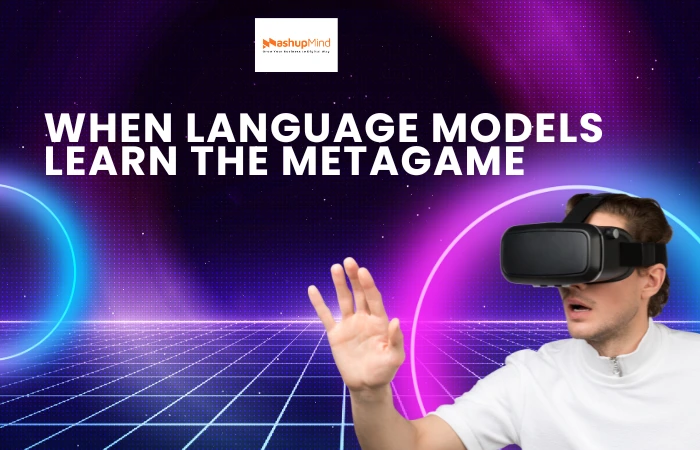
We’re already used to AI that chats, summarises and tutors, so it was only a matter of time before those same systems moved into competitive play. In language model gaming, the big leap is conversational strategy, models that can explain decisions and adjust to opponents in real time.
AI in games used to mean two familiar extremes: unbeatable bots in tightly controlled environments or scripted enemies that felt smart until you noticed the loop. What’s changing now is flexibility. Language models can absorb strategy talk, translate it into actionable choices and shift style based on context, which starts to look a lot like the metagame, the layer above the rules where players exploit trends, reads and psychology.
From perfect moves to useful behaviours
Classic game AI tried to solve a game or approximate optimal play. That works best when the environment is fully defined, and the goal is clear, like chess, Go or an arcade game with stable mechanics. Real online play is messier. Players bluff, tilt, copy influencers and change habits based on mood.
Language models point toward game AI that focuses on behaviours, not only moves. They can explain concepts in plain language, adjust to skill level and respond to style shifts without needing the whole environment to be neatly structured.
In practice, that can look like:
- Turning community strategy into coaching-friendly steps
- Adapting advice to match how a player describes their own thinking
What the metagame means in the age of AI
The metagame is the social layer of competition. It’s what happens when strategies evolve because players respond to each other, not because the rules change. In online play, meta shifts fast. One influencer or new tactic can swing how thousands of people approach the same situation, then counters appear, and the cycle repeats.
Language models slot into this world because they’re built to model patterns in information. If the information includes forum discussions, coaching frameworks and hand breakdowns written in everyday language, a model can develop a strong sense of what humans tend to do next and why.
A good comparison is modern customer support. The smartest systems don’t only answer questions, they anticipate intent and choose responses that shape the outcome. That’s metagame thinking applied to interaction.
Where language models shine and where they still fall short
Language models are strong at interpreting messy input, summarising trade-offs and producing explanations that make sense to people. They can be a useful training partner or a simulator for common opponent styles.
They’re weaker when precision matters, strict arithmetic, exact probability work or long sequence tracking. They can also produce confident reasoning that needs verification, which is why many teams pair them with evaluators or domain engines.
Two gaps matter most in competitive settings:
- Consistency when context gets messy: Prompts drift, and assumptions shift, so guardrails matter.
- Verification of claims: Explanations should be checked when precision is the difference between smart and costly.
What this means for poker AI and player experience
Poker is a perfect stress test because it sits at the intersection of maths and mind games. Traditional engines can be brutally strong in controlled settings, but real play includes humans with habits, fear and narrative. Language-driven systems can model those human factors more naturally than rigid bots.
Near term, the biggest changes are likely to be personalised training and more realistic practice opponents. At the same time, integrity becomes harder to police if assistance tools feel like normal conversation and adjust to style.
Adaptive play is the real frontier
Zooming out, the story of AI in games is moving from dominance to interaction. Winning still matters, but the shift is that AI can now participate in the same strategic language humans use.
The metagame has always been about learning faster than everyone else. Language models make learning scalable and personalised, which is exciting for players and challenging for platforms. The future is not only about computing the best move, it’s about understanding how people play and how strategy evolves when the conversation becomes part of the machine.