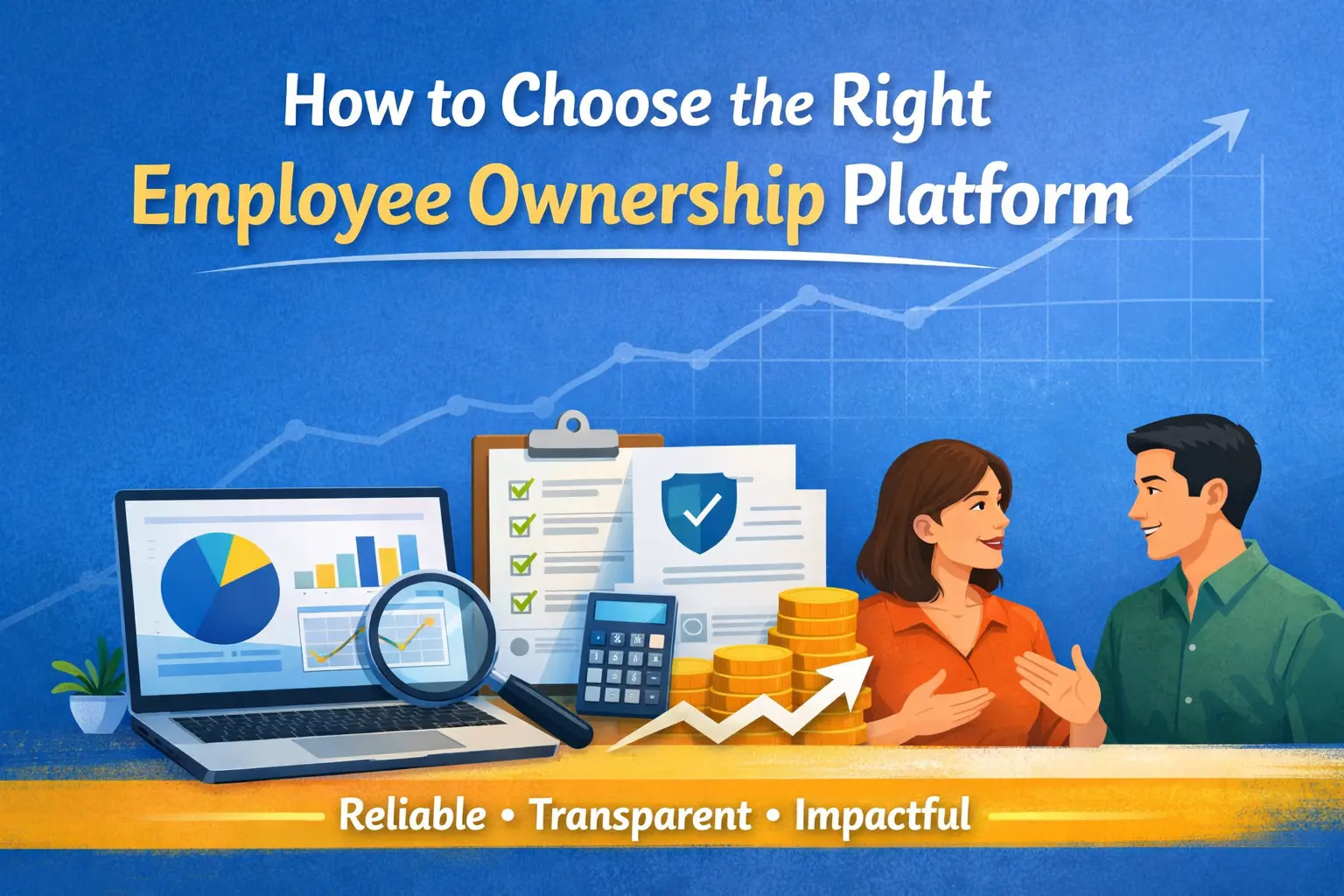
Employee ownership transitions demand structure, transparency, and data accuracy. A platform that supports this process must handle financial modeling, equity management, and operational oversight with precision. Owners should approach evaluation as a technical audit of both process reliability and business continuity. Let’s explore how to assess these platforms with a practical, results-driven approach.
Frameworks That Support Ownership Conversion
A technical foundation determines how effectively a platform manages ownership transfer. Platforms such as Teamshares help with implementing defined equity structures and verified financial workflows. These frameworks integrate ownership allocation, cash flow management, and performance tracking under one digital system. The goal is to ensure controlled, measurable ownership distribution that aligns with company growth targets.
A platform should support a multi-phase conversion model, including assessment, valuation, and structured share allocation. Automation of documentation and legal compliance helps minimize human error during sensitive phases. Systems with audit-ready logs and traceable reporting features provide clear oversight for both founders and advisors. The result is a seamless, transparent conversion process grounded in verifiable data.
Platform Reliability and Data Integrity
Reliability is quantifiable and should be tested through platform uptime, error rates, and data protection standards. A reliable platform must integrate securely with financial systems and meet compliance regulations related to ownership reporting. Businesses should confirm the platform’s encryption protocols, permission management, and recovery processes.
Key Reliability Indicators
- Verified encryption and cybersecurity certifications
- Automated error detection and recovery features
- Integration with other platforms
- Real-time performance dashboards
Stability across integrations, combined with consistent audit trails, enhances operational confidence for both leadership and employees.
Leadership Enablement Through Platform Intelligence
Leadership teams require access to intelligent reporting tools to guide employee-owned transitions effectively. Platforms that integrate predictive analytics aid in forecasting performance trends and simulating ownership scenarios. Access to real-time equity data enables leaders to adjust strategy and assess risk without delay. Data visualization tools make financial progress easier to interpret across departments.
Training modules embedded in the platform reinforce decision-making consistency. When leaders understand the analytics behind ownership performance, they can align teams around measurable objectives. This capability fosters accountability while maintaining operational efficiency. Over time, analytics-driven insights turn leadership into a continuous improvement system that supports equity growth and organizational alignment.
Transparency, Metrics, and Compliance Alignment
Effective ownership platforms must prioritize measurable transparency. Systems that automate share distribution, dividend records, and valuation updates prevent reporting discrepancies. Real-time metrics for productivity, profit-sharing, and engagement strengthen accountability across the organization. Dashboards with permission-based access ensure stakeholders view accurate, role-specific data.
Automated documentation ensures transactions meet corporate governance and regional tax requirements. Periodic reporting cycles can be configured to satisfy regulatory audits. When metrics are consistent and traceable, both employees and external auditors gain a clear view of operational fairness and financial discipline.
Long-Term ROI
Technical scalability defines a platform’s long-term viability. As employee ownership grows, the system must support more data points, new integrations, and increased transaction volume without performance degradation. Cloud-based infrastructure enhances accessibility while maintaining data redundancy.
Return on investment (ROI) depends on efficiency metrics such as reduced administrative time, lower compliance costs, and higher retention rates. Businesses should measure the platform’s impact through quantitative indicators, including margin improvement and employee participation rates. A scalable system ensures operational continuity while reinforcing cultural and financial equity. Evaluating ROI through both financial and human-capital metrics provides a full picture of platform effectiveness.
The strongest solutions integrate secure data systems, transparent reporting, and analytics tools that enhance leadership precision. Companies like Teamshares illustrate how technology-driven platforms aid in structured employee ownership transitions. The outcome is a business infrastructure built on verified data, equity alignment, and shared economic stability.

I’m Kishan Rana, an SEO professional and digital marketing specialist with over 8 years of hands-on experience in search engine optimization, organic growth strategies, and online visibility enhancement. I’m passionate about analyzing search algorithms, exploring ranking strategies, and helping businesses build sustainable traffic through data-driven SEO practices. Through Mashupmind, I share practical insights, industry trends, and actionable techniques designed to help brands grow smarter in the digital landscape.