Most people don’t think about locksmiths until they’re standing outside their office at 7 am with keys locked inside and a client meeting in thirty minutes. Or maybe it’s after closing a deal on new commercial premises and realizing the previous owner probably still has copies of every key. That’s usually when the scramble begins, frantic Google searches, whoever picks up first, just get someone here now.
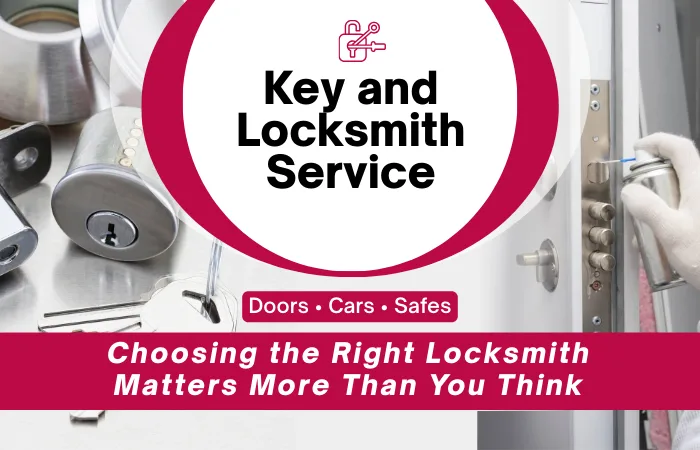
Here’s the problem with that approach: not all locksmiths are created equal. The person you call to handle your business security isn’t just opening a door or cutting a key. They’re getting intimate access to your security system, learning your vulnerabilities, and potentially creating new entry points into your commercial space. Getting this choice wrong doesn’t just mean paying too much or waiting too long. It can mean compromising the entire security infrastructure you’ve built.
The Credentials That Actually Matter
Walk into any business district, and you’ll find locksmiths advertising everywhere. Flyers on poles, ads in local papers, sponsored search results promising 24/7 service and rock-bottom prices. Most business owners assume licensing and regulation keep everyone legitimate, but the reality is messier than that.
Professional locksmiths carry specific credentials that separate them from opportunists with a van and some basic tools. Proper trade qualifications, insurance coverage, police clearances—these aren’t just bureaucratic boxes to tick. They’re indicators that someone has invested in their reputation and has something to lose if they do shoddy work or worse.
The best way to verify legitimacy is by checking industry memberships and asking direct questions about qualifications. A professional won’t hesitate to provide proof. Someone operating in the grey areas will dodge, deflect, or get defensive. When you’re hiring a locksmith Perth businesses rely on for commercial security, verification isn’t paranoia; it’s due diligence.
Insurance matters more than most people realize, too. If someone damages your door frame during an emergency callout, or if they install a system that fails and leads to a break-in, you want assurance there’s coverage backing up their work. Uninsured operators leave you holding the bag for their mistakes.
What You’re Really Paying For
Locksmith pricing confuses people because it seems simple until it isn’t. A basic service call might have a straightforward rate, but then there are after-hours fees, complexity charges, parts markup, and travel costs. The cheapest quote often becomes the most expensive job once reality sets in.
But here’s what you’re actually paying for when you hire a quality locksmith: expertise that prevents problems, not just fixes immediate ones. A good commercial locksmith doesn’t just rekey your office; they notice the worn strike plate that’s about to fail, the door that doesn’t sit flush anymore, the gap under the loading dock entrance that’s an invitation to intruders.
Also Read: Forum Backlinks in 2025: What Still Works and What Google Ignores
They’re also paying for reliability and response time. When security is compromised, every minute counts. The locksmith who quotes half the price but shows up four hours late costs more in lost business, stressed employees, and potential security exposure than paying premium rates for someone who arrives within the promised window.
Experience shows up in unexpected ways, too. A seasoned locksmith can tell you whether a lock failed because someone tried forcing it, spot signs of attempted break-ins that weren’t successful, and recommend security upgrades based on actual vulnerabilities rather than upselling expensive systems you don’t need.
The Emergency Callout Reality
Business emergencies happen outside business hours. Locks fail at midnight, keys get lost on weekends, and security breaches don’t wait for Monday morning. This is where the locksmith choice becomes critical.
Legitimate emergency services cost more because they’re maintaining 24/7 availability and rapid response capacity. That infrastructure isn’t free. But the premium pays for itself when you need someone at your retail location at 2 am after an attempted break-in, or when an employee departure means rekeying everything immediately.
The danger zone is the “locksmith” who quotes suspiciously low emergency rates over the phone, then multiplies the price once they arrive and you’re desperate. These operators know you’re vulnerable and exploit it. They’ll claim the lock is more complex than expected, that special tools are needed, that the job is taking longer than anticipated. By the time you realize you’re being gouged, they’re already billing you.
Security Vulnerabilities You’re Creating
Every time someone accesses your locks and security systems, you’re creating a vulnerability window. The locksmith learns your setup, knows your weaknesses, and could potentially duplicate keys or access codes. Most professionals treat this access with appropriate seriousness. Some don’t.
Stories circulate in commercial districts about locks mysteriously failing weeks after service, about break-ins that show sophisticated knowledge of security systems, about master keys going missing. Most are coincidences, but not all. Background checks and reputation matter because you’re not just hiring technical skills, you’re granting trust.
This is also why the handyman who “does locksmith work on the side” is a risky proposition for business security. They might be perfectly honest and technically capable, but they’re not carrying the same reputational risk as someone whose entire business depends on trustworthiness. One security breach traced back to the,m and they’re done professionally.
The Master Key Situation
Commercial spaces often use master key systems for management access. Creating, maintaining, and controlling these systems requires specific expertise. Getting it wrong doesn’t just mean inconvenience; it can mean security gaps that let terminated employees retain access or create entry points you’re not aware of.
A proper master key system audit should happen regularly, especially after staff changes or when expanding into new premises. The right locksmith tracks who has which keys, documents every copy made, and can tell you exactly who can access what. They’ll also recommend restricted keyway systems that make unauthorized copying nearly impossible.
Making the Smart Choice
When security matters, the decision criteria shift from “who’s cheapest” to “who’s most reliable and competent.” Start by asking other business owners who they use and trust. Check online reviews, but focus on detailed accounts of how problems were handled, not just star ratings.
Ask potential locksmiths about their experience with your type of commercial space, their emergency response guarantees, and their approach to security assessment. The ones who ask questions about your specific needs rather than immediately quoting prices are usually the ones worth hiring.
Get everything in writing, scope of work, costs, timeframes, warranties on parts and labor. Professional locksmiths won’t balk at documentation. They know it protects both parties and builds the trust necessary for an ongoing security relationship.
The locksmith you choose today might be the one you’re calling at 3 am next year when something goes wrong. That relationship is worth investing in from the start. Cutting corners on commercial security rarely saves money in the long run; it just spreads out the costs over multiple problems that could have been prevented with the right expertise from day one.

I’m Kishan Rana, an SEO professional and digital marketing specialist with over 8 years of hands-on experience in search engine optimization, organic growth strategies, and online visibility enhancement. I’m passionate about analyzing search algorithms, exploring ranking strategies, and helping businesses build sustainable traffic through data-driven SEO practices. Through Mashupmind, I share practical insights, industry trends, and actionable techniques designed to help brands grow smarter in the digital landscape.