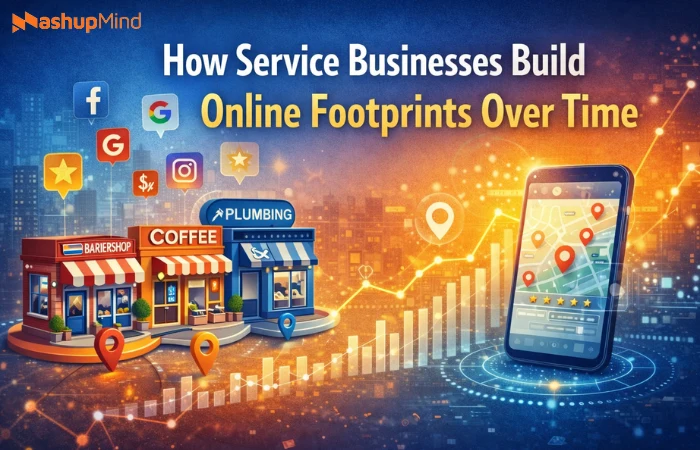
Service businesses build their online presence in steps rather than leaps. Unlike product brands that can gain attention through launches or campaigns, service-based companies grow visibility through consistency, reputation, and proof accumulated over time. Each completed job, customer interaction, and content update adds a small but meaningful signal to the digital landscape. Over months and years, those signals form an online footprint that reflects how the business actually operates.
What separates lasting online visibility from short-lived spikes is intention. Businesses that grow steadily online usually focus on relevance rather than volume. Their websites evolve as customer behavior becomes clearer. Their messaging adapts as services expand. Their digital presence mirrors real-world credibility. Instead of chasing every trend, they invest in actions that compound gradually, allowing trust and authority to develop in parallel with business growth.
Local Mentions
Earning mentions from related local websites plays a foundational role in how service businesses gain visibility. Search engines tend to value references that come from credible, geographically relevant sources. For a service provider, being mentioned by local organizations, suppliers, or community platforms sends a clear signal of legitimacy. Those mentions often reflect real relationships rather than marketing tactics, which makes them particularly valuable over time.
For HVAC services, local relevance matters even more because customers search with intent tied to location and urgency. Link building for HVAC often focuses on earning references through partnerships with builders, property managers, local directories, and industry associations rather than mass outreach. Each mention reinforces trust while strengthening search visibility. Ultimately, those links form a network that aligns with real operational presence in the community, helping HVAC businesses appear established rather than promotional.
Reviews Build
Online reviews develop best when they mirror actual service delivery. Service businesses that collect feedback gradually through completed jobs often build stronger credibility than those chasing volume. A steady flow of reviews shows consistency. Customers reading those reviews gain insight into reliability, communication style, and outcomes rather than exaggerated claims.
Gradual accumulation also supports authenticity. Reviews written across different seasons, service types, and situations tell a fuller story. Search platforms often favor profiles that grow naturally because they reflect ongoing customer interaction. After some time, reviews become one of the most influential components of a service business’s online footprint, shaping both visibility and decision-making without requiring aggressive promotion.
Social Presence
An active but measured social presence supports long-term visibility without overwhelming resources. Service businesses benefit from showing up regularly rather than constantly. Posts that show real work, team updates, seasonal reminders, or customer milestones feel grounded and credible. This approach keeps profiles current while avoiding the pressure to create content for the sake of activity.
Consistency matters more than frequency. Social platforms reward profiles that remain active over time, even with modest posting schedules. A measured approach allows businesses to stay visible while maintaining focus on operations. Over months and years, social profiles act as supporting signals that reinforce legitimacy, community presence, and approachability rather than acting as primary traffic drivers.
Read: When Should Businesses Migrate from GoDaddy Email to Office 365?
Site Structure
Website structure often evolves as traffic patterns become clearer. Early-stage service sites may start with simple navigation, but over time, user behavior reveals which pages attract attention and which paths visitors follow. Businesses that review and refine structure based on actual usage often improve engagement and clarity without major redesigns.
Improved structure helps visitors find information faster and understand services more easily. Clear pathways reduce confusion and encourage action. Search engines also benefit from improved organization, as it clarifies relationships between pages.
Content Refresh
Refreshing older pages plays a critical role in maintaining relevance. Service offerings change, regulations shift, and customer expectations evolve. Pages written years earlier may still attract traffic, yet contain outdated language or incomplete information. Updating that content allows businesses to preserve existing visibility while improving accuracy and usefulness.
Content refreshes signal ongoing activity. Search engines tend to favor sites that demonstrate care and upkeep. Rather than constantly publishing new pages, updating existing ones allows businesses to strengthen what already performs.
Performance Tracking
Tracking performance plays a central role in how service businesses refine their online footprint over time. Data reveals which pages attract attention, how visitors move through the site, and where engagement slows or stops. Rather than guessing what works, businesses gain insight grounded in real behavior. This visibility supports smarter decisions around content updates, page prioritization, and future investment.
Performance tracking also helps businesses recognize patterns tied to seasonality, service demand, and customer intent. Traffic spikes often align with specific needs, while quieter periods reveal opportunities for improvement. Moreover, consistent tracking builds institutional knowledge that shapes strategy. This becomes even more effective, especially when data is reviewed over time using tools like SE Ranking.
Authority Growth
Authority develops through education rather than promotion. Service businesses that publish clear, useful resources establish credibility long before a customer makes contact. Educational content answers common questions, explains processes, and clarifies expectations, positioning the business as knowledgeable and transparent.
Plus, authority strengthens internal alignment. Teams reference published resources to explain services consistently, reinforcing brand voice across touchpoints. Search platforms recognize this depth and clarity, often rewarding businesses that demonstrate subject matter expertise.
Keyword Expansion
Keywords expand naturally as businesses describe their services in everyday language. After some time, service providers learn how customers phrase questions, search for solutions, and describe problems. Incorporating that language into website content strengthens relevance without forcing optimization.
Rather than targeting isolated terms, businesses grow visibility through context and clarity. Service descriptions become more specific. Supporting pages address related needs. Search engines recognize that alignment between content and intent.
Tool Alignment
Marketing tools work best when they match the stage of business growth. Early efforts may rely on basic analytics and scheduling platforms, while later stages introduce automation, customer management systems, or reporting dashboards. Aligning tools with current needs prevents complexity from outpacing capability.
Thoughtful alignment supports efficiency and clarity. Teams spend less time managing systems and more time using insights. Tools reinforce strategy rather than distract from it.
Partner Signals
Partnerships often translate into online references that strengthen visibility and trust. Service businesses develop relationships with suppliers, contractors, community organizations, and industry groups through real collaboration. Those relationships often result in mentions, directory listings, or shared content that reflects genuine association.
Partner signals carry weight because they mirror real-world credibility. Search platforms recognize those connections as indicators of relevance and reliability. Customers notice them as well, viewing partnerships as proof of professionalism and integration within the local or industry ecosystem.
Service businesses build meaningful online footprints through steady, intentional progress rather than rapid expansion. Visibility forms through consistency, relevance, and trust accumulated across many small actions. Reviews grow alongside completed jobs. Content evolves with services offered. Structure improves as behavior becomes clearer. Companies that invest in alignment and thoughtful oversight develop digital credibility that supports growth rather than chasing attention.

I’m Kishan Rana, an SEO professional and digital marketing specialist with over 8 years of hands-on experience in search engine optimization, organic growth strategies, and online visibility enhancement. I’m passionate about analyzing search algorithms, exploring ranking strategies, and helping businesses build sustainable traffic through data-driven SEO practices. Through Mashupmind, I share practical insights, industry trends, and actionable techniques designed to help brands grow smarter in the digital landscape.