
Search engines haven’t gotten easier. Ranking is tougher than it used to be, and the rules are not always obvious. Traffic doesn’t just show up. It has to be earned, tested, adjusted, sometimes lost, and earned back again. A lot of people still treat SEO like a checklist. But it doesn’t really work that way anymore. It’s more fluid now, more about habits than hacks. The right habits, even with some slipups, still work better than the perfect one-time setup.
Content Relevance Beats Content Volume
A lot of marketers get caught up trying to publish constantly. They think the more content, the better the odds. But Google’s moved past volume. Relevance holds more weight now. Content that answers a question clearly, stays on-topic, and reflects real search intent tends to climb faster and hold longer.
You’ll probably write stuff that doesn’t land. That’s part of it. Some pages won’t rank at all. Others will hit page two and stay there for months. It’s easy to feel like the whole effort’s wasted. It’s not. Content that stays relevant brings steady traffic over time. Even the quiet ones do work in the background—feeding internal links, building topic clusters, filling gaps.
Mistakes get made when people try to cover too much. Pages lose focus. Keywords drift. It happens. The fix is usually simple. Trim the noise, tighten the headers, and make sure every section has a job.
Real Engagement Builds Stronger Signals
If people spend time on your site, click through to other pages, or come back later, Google notices. These signals tell the algorithm that the content actually helps. But they can’t be faked for long.
A big part of this is design. Sites that are hard to use won’t hold attention. You’ll make layout mistakes. Cluttered sidebars, weak CTAs, or mobile versions that miss the point. It happens. But usability has to be treated as part of SEO—not something separate.
Fixing it doesn’t always require a redesign. Sometimes it’s just removing what isn’t necessary. Making buttons obvious. Breaking up long paragraphs. These things really matter.
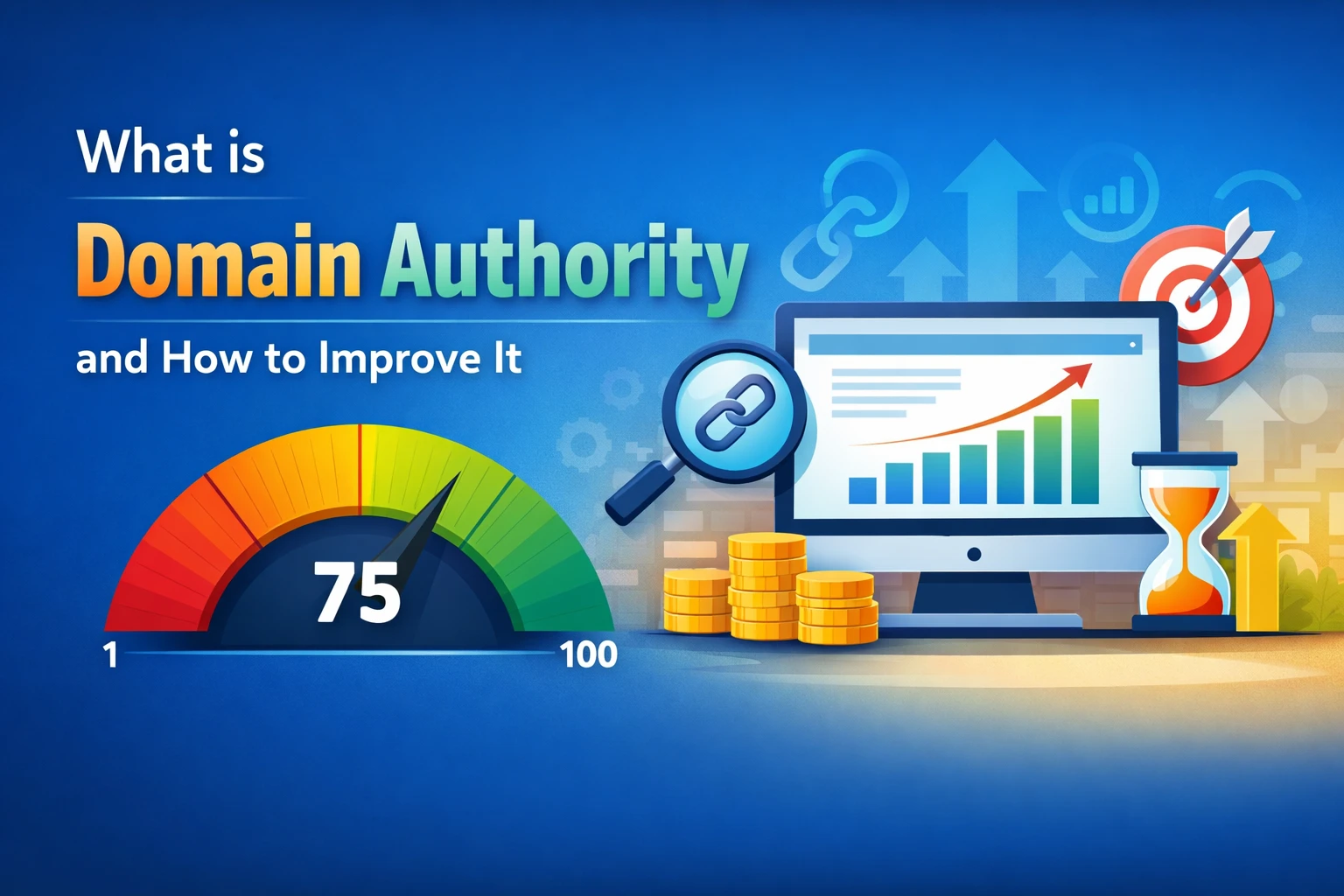
Some of the most dependable long-term gains still come from backlink acquisition. The process can be frustrating, slow, and full of rejection—but it works. A good backlink from a site with real authority signals trust. It tells search engines that others vouch for your content. That still carries weight, even with algorithm changes. What helps most is avoiding artificial tactics. Bought links, spammy directories, or meaningless swaps get spotted. And when they do, the penalties can really hurt. Focus instead on getting cited naturally. Create content worth referencing—original data, blunt opinion pieces, niche breakdowns. Outreach should feel personal, not robotic. People can tell when you’re just looking for a link. They ignore it. You’ll send dozens of emails and hear nothing back. You’ll pitch something that made sense to you, but got no clicks. That’s normal. But if one in fifty replies leads to a solid mention, it’s worth the rest. Over time, even a few strong backlinks can shift rankings and lift domain authority. That momentum adds up.
Technical SEO Still Matters, But It’s Not Everything
Pages that load slowly still get punished. That hasn’t changed. Google’s become more strict with mobile usability, too. If buttons overlap, fonts are unreadable, or pages shift when they load, rankings can take a hit.
Speed improvements are worth it—but they’re often done wrong. People cram in too many plugins to fix what should’ve been solved in the code. Then the fixes slow everything down again. Use fewer tools. Compress images. Cache pages. That alone solves most of it.
You’ll overlook obvious things. Everybody does. A broken sitemap. An outdated robots.txt file. A forgotten noindex tag on an important page. Even seasoned devs miss these. Routine audits catch the worst of it. Once a month is usually enough unless your site’s in constant flux.
Search Intent and User Signals Carry More Weight Now
Keywords still matter. But without matching the format to what users expect, even the right keyword won’t convert. If someone searches “how to fix a leaking pipe” and lands on a page selling services with no guide, they’ll bounce. Enough of those, and the page drops.
Matching search intent isn’t always clear. Sometimes it flips over time. Informational pages become transactional. Or listicles start outranking tutorials. It’s easy to misread this. That’s why regular rank tracking helps. If a page loses position, it could be a sign that the format is wrong, not just the content.
And honestly, you won’t always guess right. There’s trial and error. Pages need to be reworked sometimes. That’s not failure. That’s just part of how SEO evolves.
On-Page SEO Hasn’t Gone Out of Style
Strong headings, clean URLs, structured data—they still help. But now, context is even more important than placement. You can’t just drop the keyword into a title and call it done. The page has to make sense from start to finish.
Semantic SEO helps here. That means covering related questions, entities, and variations naturally. It’s not about stuffing. It’s about showing depth. Sometimes you’ll go too far. You’ll overoptimize and make the content unreadable. Or worse, vague. When that happens, rewrite. Strip it back. Clarity always wins.

I’m Kishan Rana, an SEO professional and digital marketing specialist with over 8 years of hands-on experience in search engine optimization, organic growth strategies, and online visibility enhancement. I’m passionate about analyzing search algorithms, exploring ranking strategies, and helping businesses build sustainable traffic through data-driven SEO practices. Through Mashupmind, I share practical insights, industry trends, and actionable techniques designed to help brands grow smarter in the digital landscape.