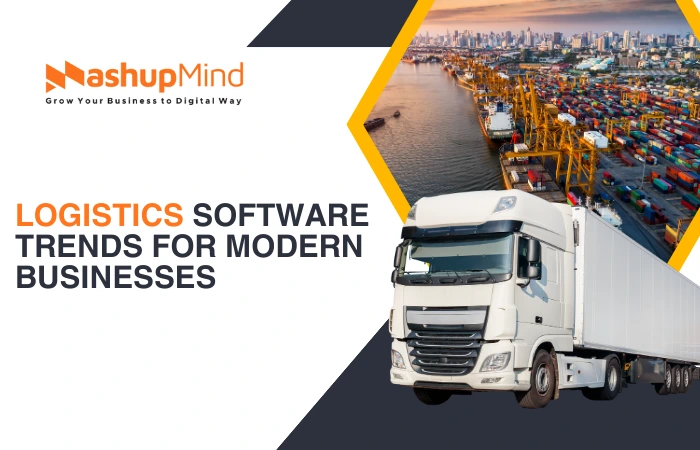
Modern supply chains need businesses to adapt because they experience rapid changes while dealing with increasing e-commerce sales and faster delivery expectations and better operational performance. Gartner research indicates supply chain leaders will boost their digital transformation initiatives through 2027. The main reason for this change stems from logistics software. The following analysis presents the main trends affecting logistics operations through multiple structured lists for enhanced comprehension.
Real Time Visibility Becomes Essential
Real time visibility has developed from an optional feature into an essential requirement for all operations. Businesses must maintain continuous shipment tracking and warehouse operation monitoring to establish warning systems that predict upcoming delivery delays. The increasing number of tracking platforms exists because 70% of shippers identify poor visibility as their main operational challenge.
The tracking platforms from FourKites and Project44 enable businesses to monitor shipments in real-time while producing forecasted alerts, which enable them to prevent issues from becoming more severe. The tracking performance of IoT sensors becomes better through environmental monitoring of temperature and humidity levels. The implemented capabilities lead to improved decision-making, which produces higher customer satisfaction levels.
Why visibility matters:
- Faster response to delays
- More accurate delivery estimates
- Stronger communication between carriers and customers.
AI and Automation Raise Operational Efficiency
Artificial intelligence has transitioned from theoretical concepts to practical applications within logistics operations. The technology helps businesses predict market trends while it improves their supply chain operations and warehouse management systems. McKinsey reports that organizations that adopt AI technology achieve a 50% decrease in their forecasting prediction errors.
Warehouse automation systems now provide their solutions to customers who used to be outside their previous customer segment. The combination of automated picking systems with intelligent inventory placement and robotic systems reduces human participation while accelerating operational speed. Manhattan Associates and Blue Yonder, along with other companies, use artificial intelligence to enhance their software platforms, which support warehouse and inventory management operations.
The main advantages of AI and automation systems consist of:
- Fewer manual errors
- Faster order processing
- Better labour planning
Cloud-Based Platforms Gain Widespread Adoption
Cloud logistics software has replaced traditional on-premise systems because it offers flexibility and scalability, and easier maintenance.
It allows teams to collaborate remotely while providing flexible support for rapid market demand adjustments. The cloud-based platforms from Oracle NetSuite and SAP Business Network enable businesses to scale their operations through their expanding capabilities.
Predictive Analytics Improves Supply Chain Planning
Businesses can use predictive analytics to forecast upcoming problems, which allows them to create protective strategies. Businesses operating in the present day use predictive analytics to detect potential delays and inventory shortages before they become actual operational issues.
The software solutions from SAS and IBM use historical data with real-time inputs to create demand forecasts and detect future bottlenecks and determine the best time for material reordering. The system enables businesses to prepare for peak seasons through optimized inventory management which avoids both storage expenses and delivery costs during peak times.
Last Mile Delivery Technology Moves Forward
The final stage of delivery operations, known as last-mile delivery, proves to be the most costly and unpredictable segment, which accounts for more than half of total shipping expenses. The increasing customer demands for better service have led businesses to adopt Software Development Solutions, which enhance their delivery route optimization and real-time tracking capabilities
The delivery management platforms Onfleet and Bringg help businesses optimize their delivery routes and enable customers to track their deliveries in real-time. The development of software technology now delivers products at a faster pace with improved reliability, yet drones and autonomous vehicles continue to exist in testing environments.
Transportation Management Systems Become More Valuable
Transportation management systems (TMS) serve as essential logistics management tools that enable modern supply chain operations. The system enables businesses to evaluate different carrier pricing options and schedule deliveries and monitor shipments, and handle all necessary documentation.
The transportation management systems from MercuryGate and Trimble operate as top solutions which provide sophisticated capabilities for handling intricate shipping network operations.
Sustainability Influences Software Development
The logistics industry has made sustainability its number one operational priority at present. The majority of businesses now dedicate funds to technology solutions which help them decrease their environmental impact.
The software platform contains three core features which enable users to.
- Calculate carbon emissions
- Suggest greener routes.
- Reduce empty miles
- Support eco-friendly packaging decisions
The sustainability dashboards from Flexport and Shipwell enable businesses to monitor their environmental progress while achieving their internal and regulatory targets.
The process of integration stands as a vital factor that determines operational efficiency.
Most organizations depend on multiple systems to handle their warehouse operations and transportation management and financial management, and customer service requirements. The systems integration process enables them to operate without any interruptions or data discrepancies.
The open API framework enables logistics software to establish instant connections with ERPs and order management tools, and e-commerce platforms. The system prevents human errors during data entry while maintaining supply chain data accuracy throughout the entire process.
Cybersecurity Becomes a Higher Priority
The digital transformation of logistics operations created an environment that now experiences increased cybersecurity threats. Major logistics companies have faced cyberattacks that disrupted their shipping operations and exposed sensitive information to the public. The industry now focuses on enhancing security measures.
Modern digital platforms now include encryption technology, multi-factor authentication, continuous threat detection, and online security protection tools that help logistics teams reduce risk across connected operations. Supply chain leaders dedicate more than half of their cybersecurity funding to protect data from attacks and stop system disruptions.
Conclusion
The logistics industry undergoes fast changes because organizations use modern technology to enhance operational efficiency and service delivery, and supply chain visibility. The logistics industry undergoes transformation through real-time tracking systems and AI-based automation and cloud-based solutions and predictive analytics, and enhanced last-mile delivery methods. Businesses that adopt these trends will achieve better cost management and improved disruption response, and enhanced service delivery. The logistics software industry will achieve sustainable growth and maintain business competitiveness through its continuous technological advancements.

I’m Kishan Rana, an SEO professional and digital marketing specialist with over 8 years of hands-on experience in search engine optimization, organic growth strategies, and online visibility enhancement. I’m passionate about analyzing search algorithms, exploring ranking strategies, and helping businesses build sustainable traffic through data-driven SEO practices. Through Mashupmind, I share practical insights, industry trends, and actionable techniques designed to help brands grow smarter in the digital landscape.