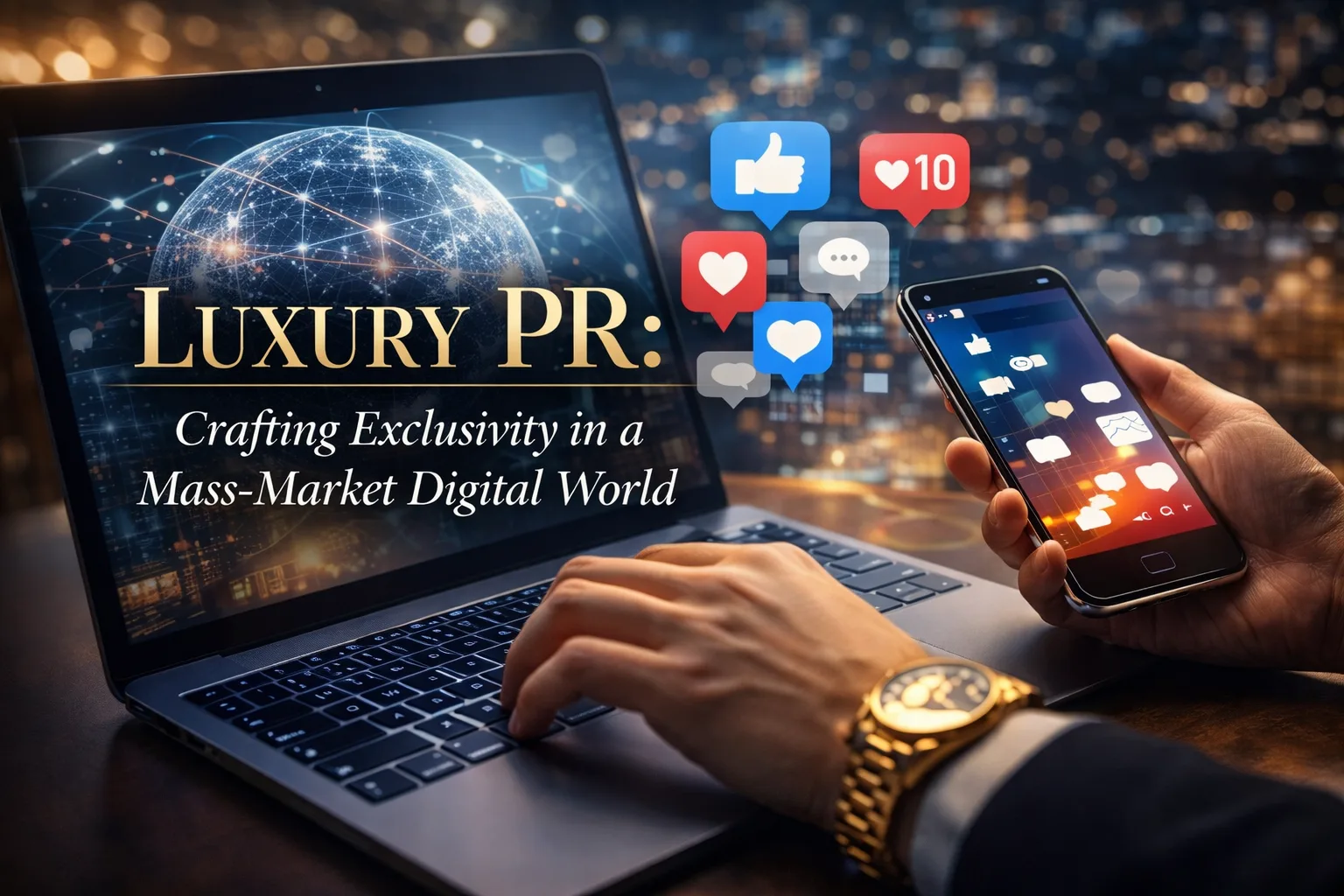
In an era defined by instant gratification and infinite accessibility, the traditional pillars of high-end branding are facing an unprecedented paradox. The digital landscape, by its very nature, is democratic, loud, and open to all, which stands in direct opposition to the core tenets of luxury: rarity, silence, and prestige. How does a brand maintain an aura of “untouchable” elegance when it must exist on the same social media feeds as fast-fashion giants and viral memes? This is the central challenge of modern communication strategies for elite labels. To succeed today, a brand must navigate the thin line between being visible enough to remain relevant and being elusive enough to remain desirable.
The shift from print-heavy, gatekept media to a 24/7 digital cycle has forced a total reimagining of how we perceive status. It is no longer just about the price tag; it is about the narrative of belonging to a “closed” circle, even while using “open” platforms. Mastering this balance requires a sophisticated approach to storytelling that honors heritage while embracing the technical innovations of the 2020s.
The Digital Evolution of High-End Branding
The transition from physical showrooms to digital storefronts has fundamentally altered the DNA of prestige communication. Historically, high-end brands relied on physical distance and exclusive boutiques to create a sense of awe. Today, that distance must be created psychologically rather than geographically. Effective luxury PR now focuses on “controlled transparency,” where the brand shares its process and craftsmanship without stripping away the mystery that fuels consumer aspiration.
By utilizing high-production cinematography and immersive digital experiences, PR professionals can simulate the tactile feel of a silk scarf or the weighted click of a bespoke timepiece through a smartphone screen. The goal is to move beyond simple advertising and toward the creation of a digital “salon”—a space where the audience feels invited into a legacy, rather than just selling a product. In this mass-market world, the most successful campaigns are those that use data to target the few, rather than the many, ensuring that the brand’s message lands in the hands of those who value the depth behind the design.
Redefining Scarcity in the Age of Abundance
In a world where everything is available at the click of a button, scarcity has become the ultimate luxury. PR strategies have shifted from promoting “availability” to celebrating “unavailability.” This is achieved through meticulously planned “drops,” limited-edition collaborations, and private digital portals accessible only to a brand’s top-tier clientele. By intentionally restricting supply and information, PR experts create a “fear of missing out” that transcends the usual consumerist urge, turning a purchase into an achievement.
This psychological engineering is essential because, in the digital space, overexposure is the equivalent of devaluation. If a brand is seen everywhere, it is perceived as belonging to everyone—and if it belongs to everyone, the luxury consumer no longer wants it. Therefore, the modern PR professional must act as a digital gatekeeper, ensuring that while the brand has a presence, its most intimate secrets and sought-after items remain shielded behind layers of digital exclusivity and personalized outreach.
The Role of Influence and the New Guard of Ambassadors
The “influencer” era initially terrified traditional luxury houses, who feared that “Internet famous” personalities would cheapen their hard-won heritage. However, the landscape has matured into a sophisticated ecosystem of brand ambassadors who act as conduits for authenticity. Rather than partnering with those who have the highest follower counts, luxury PR now prioritizes “cultural capital”—individuals who possess a genuine connection to art, film, or philanthropy. These ambassadors provide a human face to often impersonal corporations, making the brand feel alive and contemporary. The strategy here is subtle; it is less about a direct sales pitch and more about “association.” When a respected architect or a niche indie director is seen with a specific leather bag, it signals a shared set of values to a discerning audience. This form of word-of-mouth marketing is highly effective in the digital age because it feels discovered rather than forced, maintaining the brand’s dignity while expanding its reach into new, affluent demographics.
Crafting Narrative through Immersive Technology
As we look toward the future, the tools of luxury PR are becoming increasingly technological. Augmented Reality (AR) and Virtual Reality (VR) are being utilized not as gimmicks, but as extensions of the atelier. Imagine a PR campaign that allows a client in Shanghai to walk through a digital recreation of a Parisian workshop, seeing the hand-stitching of their custom gown in real-time. This level of immersion replaces the loss of physical intimacy caused by the digital divide.
Furthermore, data analytics now allow PR teams to practice “hyper-personalization,” sending bespoke content and invitations to events that align perfectly with a specific individual’s lifestyle and history. This ensures that the digital experience feels as tailored as a Savile Row suit. By leveraging these technologies, luxury brands can reclaim the narrative of being “one-of-a-kind” in a world of mass production. The digital world doesn’t have to be a threat to exclusivity; if used correctly, it can be the greatest stage for demonstrating the artistry and detail that define true luxury.
Frequently Asked Questions
How does luxury PR differ from standard retail PR?
Standard PR often focuses on mass reach, high volume, and price-driven incentives. Luxury PR, conversely, focuses on brand equity, heritage, and “selective” reach. It prioritizes the quality of the audience over the quantity of impressions.
Can a luxury brand be too active on social media?
Yes. Over-posting or engaging in “viral” trends can lead to brand fatigue and a loss of prestige. Luxury brands must maintain a “composed” presence, ensuring every post feels like a curated piece of art rather than a desperate bid for attention.
What is the “Veblen effect” in digital PR?
The Veblen effect refers to goods for which demand increases as the price increases. PR strategies often highlight high prices and exclusivity to signal status, ensuring the product is viewed as a “Veblen good” rather than a commodity.
How do luxury brands handle negative digital feedback?
Luxury PR handles crises with “quiet authority.” Rather than engaging in public comment wars, they often resolve issues through high-touch, private customer service to maintain the brand’s dignified image.
Is print media still relevant for luxury PR?
Absolutely. While digital is essential for reach, high-end print publications (like Vogue or Robb Report) still offer a tactile prestige and a “permanent” record of status that digital platforms cannot yet fully replicate.
Final Thoughts
The soul of luxury lies in the dream of something better, rarer, and more meaningful. While the digital world is fast and often fleeting, luxury PR serves as the anchor that keeps a brand grounded in its history while steering it toward the future. By embracing the tools of the mass market—social media, data, and video—but applying them with the discipline of an artisan, PR professionals can ensure that exclusivity remains intact. The key is to remember that in a world of infinite noise, the most powerful voice is often the one that speaks with the most elegance, not the most volume. High-end brands that master this will not just survive the digital age; they will define it.

I’m Kishan Rana, an SEO professional and digital marketing specialist with over 8 years of hands-on experience in search engine optimization, organic growth strategies, and online visibility enhancement. I’m passionate about analyzing search algorithms, exploring ranking strategies, and helping businesses build sustainable traffic through data-driven SEO practices. Through Mashupmind, I share practical insights, industry trends, and actionable techniques designed to help brands grow smarter in the digital landscape.