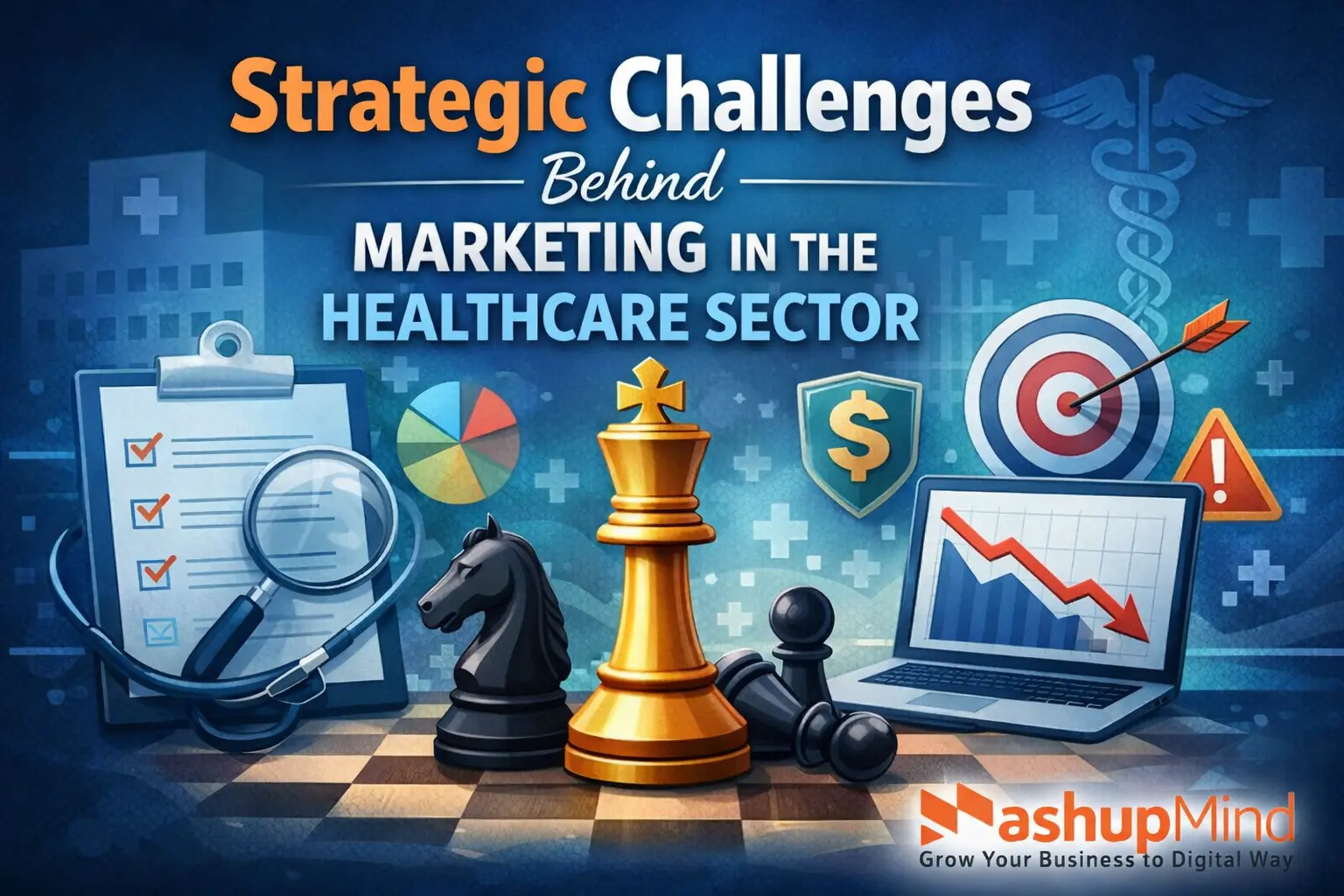
Marketing healthcare sounds straightforward until you actually try to do it.
On paper, it looks similar to any other industry. There’s an audience. There’s a service. There’s a need to be visible and understood. But once you get past that surface level, the whole thing becomes slower, heavier, and far more delicate than most marketers expect.
Healthcare is one of the few sectors where a bad marketing decision can have consequences that go well beyond brand perception. You are not selling shoes or software. You are communicating with people who may be scared, confused, overwhelmed, or dealing with something deeply personal. That reality changes everything, from the words you choose to the channels you rely on.
This is why healthcare marketing tends to feel harder than it should. Not because marketers lack skill, but because the environment itself resists shortcuts.
Regulation is Always in the Room
The first thing anyone notices when working in healthcare marketing is regulation. In most regions, communication is governed by strict rules designed to protect patients from misleading claims. In the United States, that includes HIPAA, FDA advertising requirements, and oversight from state medical boards. Other countries have their own versions, often just as strict. These rules dictate what you can say, how you can say it, and sometimes whether you can say it at all.
Every sentence carries weight. A phrase that sounds harmless in another industry can become a compliance issue here. Claims have to be provable. Outcomes need context. Testimonials are often restricted or banned outright. Even educational content can trigger a review if it appears promotional.
This slows things down. According to a 2023 survey by the American Marketing Association, more than 60% of healthcare marketers said compliance review was their biggest source of campaign delays. That number is not surprising to anyone who has waited weeks for approval on a landing page that changed three words.
The creative side of marketing still exists, but it operates inside a narrow lane. You learn to think carefully before writing. You anticipate legal questions before they are asked. Speed becomes a luxury rather than a default.
Trust Carries More Weight Than Visibility
In many industries, attention is the first win. Get noticed, then figure out what to do with that attention later. Healthcare does not work that way.
People do not casually hand over trust when health is involved. They hesitate. They research. They compare. They look for signs that someone knows what they are doing and genuinely cares.
Trust in healthcare professionals is still relatively high. Around 60% of people globally trust doctors and healthcare providers. That level of trust is higher than what most industries enjoy. At the same time, that trust is conditional. Once audiences sense exaggerated claims or overly commercial messaging, confidence drops fast.
This creates a strange tension for marketers. You need to communicate value without sounding like you are selling. You need to explain services without promising outcomes you cannot guarantee. You need to sound confident without sounding absolute.
That balance takes time to learn. Many healthcare brands struggle early on because they apply tactics that worked elsewhere. Strong calls to action. Emotional language. Big promises. In healthcare, those same techniques often create distance instead of connection.
Being Found Without Pushing Too Hard
Most people begin their healthcare journey online, long before they speak to a provider.
Pew Research Center has found that roughly three-quarters of adults have searched for health information online at some point. Google has stated that health-related searches account for about 7% of daily queries worldwide. That is a massive amount of intent, curiosity, and concern flowing through search engines every day.
The challenge is showing up in those moments without crossing ethical or regulatory lines. Traditional advertising can feel intrusive when someone is searching for symptoms or trying to understand a diagnosis, and aggressive messaging at that stage often backfires. People are looking for answers, not pitches.
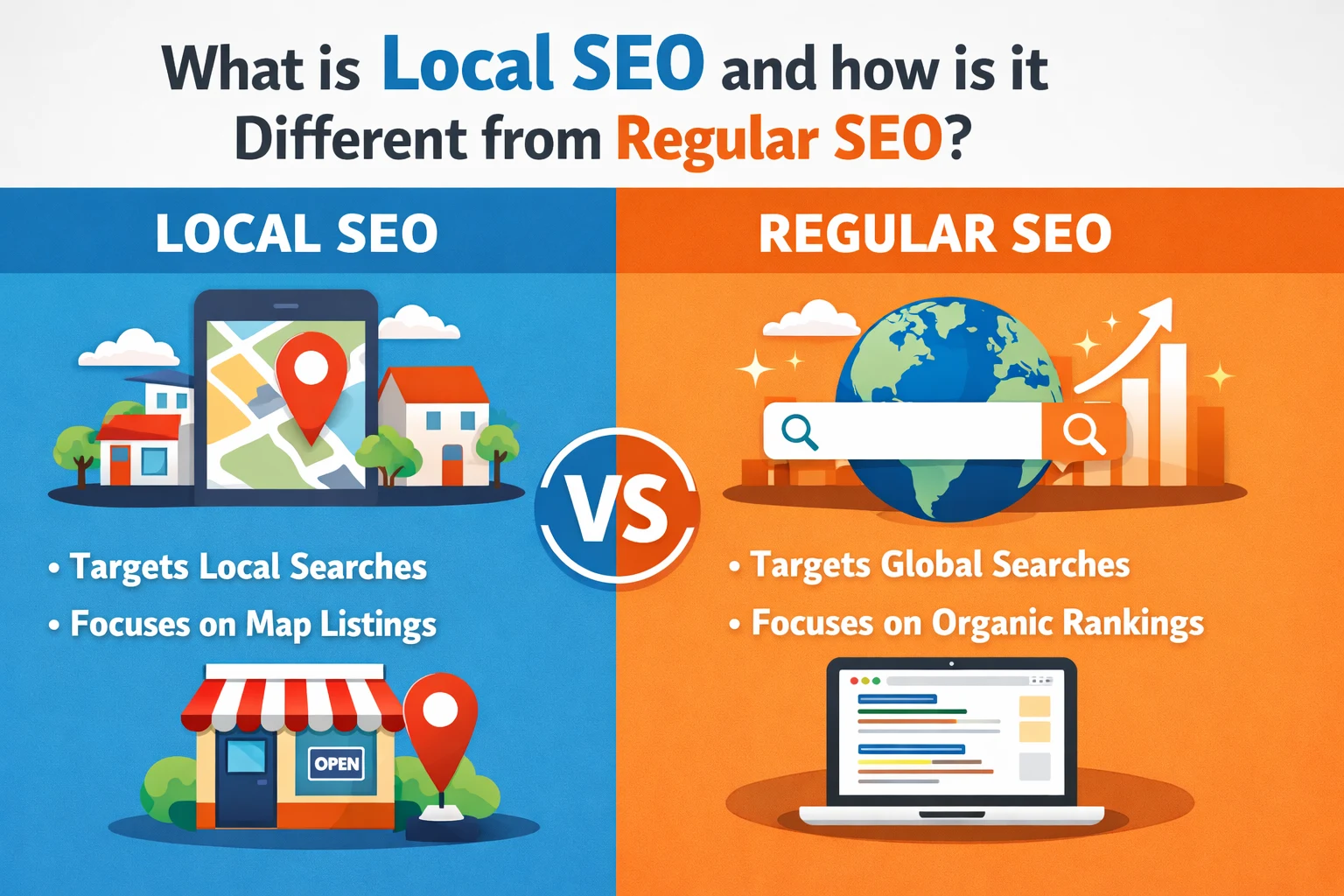
The goal is not to dominate search results with promotional content. The goal is to be present with accurate, understandable information when people are actively seeking it. Good healthcare SEO focuses on questions patients actually ask. What does this symptom mean? What are the treatment options? How does recovery usually look? What should I ask my doctor? Content like this helps people orient themselves without pressure.
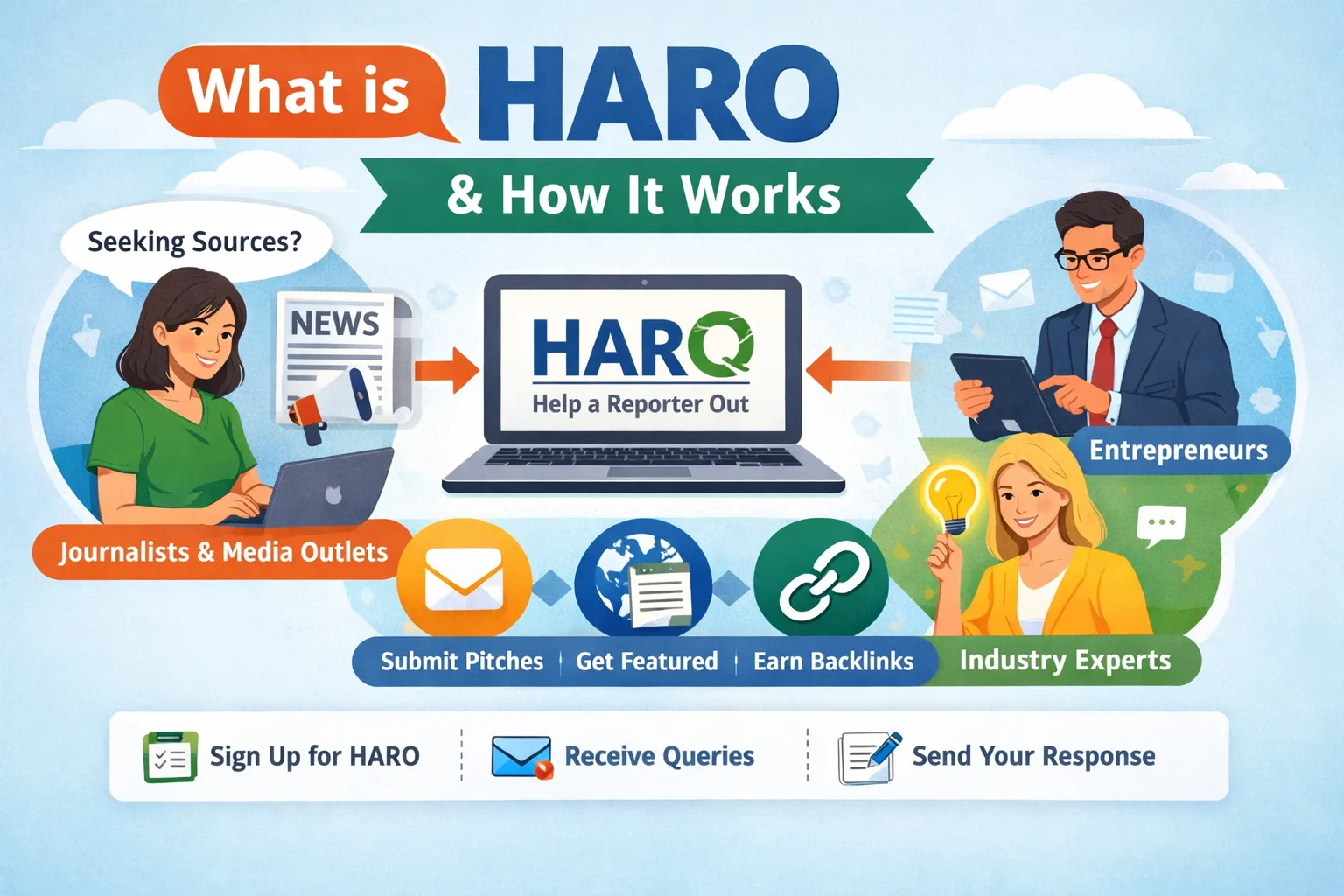
Authority also matters, but it has to be earned carefully. In the health industry, link building works best when it grows out of real relationships and credible sources. References from hospitals, universities, medical associations, and respected publications carry far more weight than volume ever could. Those links act as quiet signals of trust rather than marketing tactics.
When done well, this aproach also builds credibility. Clear, well sourced information signals expertise without shouting about it. Over time, that visibility turns into trust, which is far more valuable than a quick click.
The Emotional Context Changes Everything
Decisions about health are rarely made in a calm state of mind. Someone researching a procedure might be dealing with pain that has lingered for months. Someone looking up a diagnosis might still be in shock. Someone comparing providers could be doing so for a parent or a child.
This emotional layer affects how information is processed. Studies in health communication have shown that stress and anxiety reduce people’s ability to absorb complex information. Long paragraphs filled with technical language do not help in those moments.
This places a quiet responsibility on healthcare marketers. The tone matters as much as the facts. Fear-based messaging might grab attention, but it can also amplify distress. Overly optimistic language can feel dismissive of real concerns. There is a middle ground. Calm, respectful explanations. Acknowledging uncertainty without dramatizing it. Offering guidance without pretending to have all the answers.
That kind of communication takes restraint. It requires thinking about the reader’s state of mind, not just the message you want to deliver.
Decisions Take Time and Rarely Involve One Person
Another difference that catches many marketers off guard is how long healthcare decisions take.
A patient might spend weeks or months researching options. They talk to family members. They consult primary care doctors. They wait for referrals. Insurance enters the conversation. Costs get evaluated and appointments get delayed.
Major healthcare decisions often stretch across several months from initial research to final action. During that time, people move between online and offline touchpoints repeatedly. From a marketing perspective, this makes simple metrics feel inadequate. A blog post might influence a decision that happens months later. A page view might support a conversation with a physician that ultimately determines the outcome.
This shifts the role of marketing. You are not guiding someone to a checkout page. You are supporting an extended decision process. Educational content, FAQs, and consistent messaging across channels become more important than flashy campaigns.
The Bottom Line
All of these factors point in the same direction. Healthcare marketing rewards patience. Brands that understand this tend to stop chasing trends borrowed from other industries. They invest in clarity and review content carefully. They focus on being useful before being persuasive.
People remember who helped them understand a situation. They remember who did not pressure them when they were uncertain. In healthcare, those impressions matter more than any single campaign. Marketing in this space asks for restraint, empathy, and strategic thinking. It is slower. It is harder to measure. It is also far more meaningful when done well.

I’m Kishan Rana, an SEO professional and digital marketing specialist with over 8 years of hands-on experience in search engine optimization, organic growth strategies, and online visibility enhancement. I’m passionate about analyzing search algorithms, exploring ranking strategies, and helping businesses build sustainable traffic through data-driven SEO practices. Through Mashupmind, I share practical insights, industry trends, and actionable techniques designed to help brands grow smarter in the digital landscape.