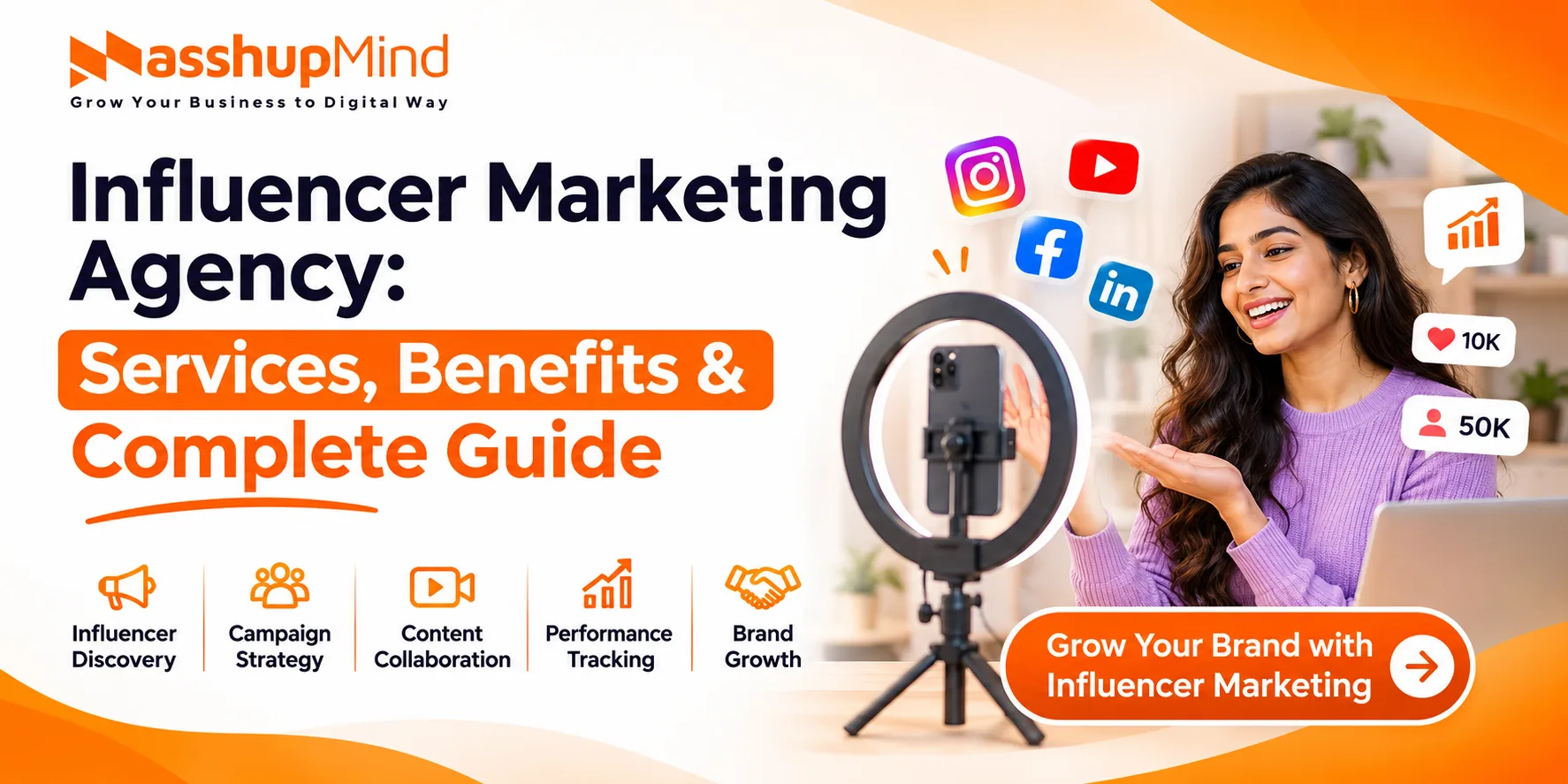
In today’s digital world, consumers are increasingly influenced by the opinions, recommendations, and experiences of online creators. Whether it is discovering a new product on Instagram, watching a product review on YouTube, or following a creator’s recommendation on TikTok, influencer content plays an important role in modern purchasing decisions.
This is where an influencer marketing agency can help businesses connect with the right audiences, build brand awareness, increase engagement, and generate more sales through strategic creator collaborations.
However, successful influencer marketing is not simply about paying someone with thousands of followers to promote a product. It requires identifying relevant influencers, understanding audience behavior, developing creative campaign strategies, managing collaborations, tracking performance, and measuring return on investment (ROI).
For businesses looking to strengthen their online presence, influencer marketing offers an opportunity to build authentic connections with potential customers and reach audiences through voices they already trust.
In this complete guide, we will explore what an influencer marketing agency does, the services it provides, different types of influencers, campaign strategies, pricing, benefits, and how to choose the right agency for your business.
1. What Is an Influencer Marketing Agency?
An influencer marketing agency is a professional company that helps businesses promote their products, services, or brands through collaborations with social media influencers and content creators.
These agencies connect brands with relevant influencers who have established audiences on platforms such as Instagram, YouTube, Facebook, and TikTok.
Instead of managing influencer partnerships independently, businesses can work with an agency to plan, execute, and optimize their influencer marketing campaigns.
An influencer marketing agency typically handles:
- Influencer discovery and research.
- Audience and engagement analysis.
- Influencer outreach and negotiations.
- Campaign planning and strategy.
- Content creation and approvals.
- Brand collaborations.
- Campaign execution and management.
- Performance tracking and reporting.
- ROI and campaign analysis.
Example: Suppose an electronics accessories brand wants to promote its latest wireless headphones. An influencer marketing agency can identify technology reviewers, gadget creators, and lifestyle influencers whose audiences are interested in electronics. The agency coordinates product reviews, Instagram Reels, YouTube videos, and promotional campaigns to introduce the product to potential customers. The objective is to generate awareness, engagement, website visits, and sales through relevant creator partnerships.
2. What Services Does an Influencer Marketing Agency Provide?
A professional influencer marketing agency offers more than influencer connections. It manages the complete campaign lifecycle, from strategy development to performance reporting. Here are the major services businesses can expect.
Influencer Research and Discovery
Finding the right influencer is one of the most important steps in a successful campaign. An influencer’s follower count alone does not determine whether they are suitable for a brand. Their audience demographics, content quality, engagement, niche, and credibility also matter.
Influencer research includes:
- Identifying influencers within relevant industries.
- Analyzing follower demographics.
- Checking audience location and interests.
- Evaluating engagement rates.
- Reviewing previous brand collaborations.
- Identifying fake followers and suspicious engagement.
- Comparing influencers based on campaign objectives.
For example, a skincare brand should prioritize beauty creators, skincare reviewers, and lifestyle influencers rather than selecting creators solely because they have large audiences.
Micro, Macro and Celebrity Influencer Marketing
Different influencers serve different marketing objectives. An agency helps brands select creators based on their budget, target audience, campaign goals, and expected reach. The main influencer categories include:
| Influencer Type | Approximate Followers | Best For |
|---|---|---|
| Nano Influencers | 1K–10K | Local reach and niche communities |
| Micro Influencers | 10K–100K | Engagement and targeted campaigns |
| Macro Influencers | 100K–1M | Wider brand awareness |
| Mega Influencers | 1M+ | Large-scale exposure |
These follower ranges are commonly used working categories, not universal industry standards.
Why does influencer size matter? A smaller creator may have a highly engaged audience within a specific niche, while a larger creator can provide broader visibility. The right choice depends on the campaign objective, not just the number of followers.
Instagram Influencer Marketing
Instagram is one of the most popular platforms for influencer collaborations, particularly for lifestyle, fashion, beauty, food, travel, fitness, and consumer products. Instagram influencer marketing services include:
- Sponsored Instagram posts.
- Instagram Reels collaborations.
- Instagram Stories promotions.
- Product reviews and demonstrations.
- Brand mentions and tagging.
- Giveaways and contests.
- Affiliate promotions.
- Long-term brand ambassador partnerships.
For example, a fashion brand can collaborate with fashion creators to showcase new collections through styling videos, product photography, and Instagram Reels. This helps brands introduce their products to relevant audiences through engaging visual content.
YouTube Influencer Marketing
YouTube is especially effective for brands that need detailed product demonstrations, educational content, reviews, and tutorials. YouTube influencer marketing services include:
- Sponsored product reviews.
- Dedicated promotional videos.
- Product demonstrations.
- Unboxing videos.
- Tutorial collaborations.
- Creator integrations.
- Affiliate marketing campaigns.
- YouTube Shorts promotions.
For example, a technology company can partner with gadget reviewers to demonstrate product features, compare alternatives, and explain how customers can use its products. YouTube content can also continue attracting viewers through search and recommendations after the initial campaign.
Influencer Outreach and Relationship Management
Once suitable creators are identified, the agency manages communication and collaboration. This includes:
- Preparing influencer outreach messages.
- Contacting relevant creators.
- Sharing campaign briefs.
- Discussing collaboration opportunities.
- Negotiating fees and deliverables.
- Managing agreements.
- Coordinating content schedules.
- Maintaining long-term relationships.
Professional communication and clear expectations help ensure that both brands and creators understand their responsibilities.
Influencer Campaign Planning and Management
Every influencer campaign needs a clear strategy. An agency develops a campaign plan based on the brand’s objectives, target audience, budget, platform, and promotional offer. Campaign management generally includes:
- Understanding the brand and its objectives.
- Defining the target audience.
- Selecting suitable social media platforms.
- Identifying relevant influencers.
- Developing campaign concepts.
- Preparing creative briefs.
- Coordinating influencer collaborations.
- Monitoring campaign execution.
- Tracking results and performance.
A structured campaign helps maintain consistency across multiple creators and marketing channels.
Influencer Content Creation
Influencer content should communicate a brand’s message naturally while matching the creator’s content style. An agency helps coordinate content that attracts attention and encourages audiences to take action. Common content formats include:
- Product reviews.
- Unboxing videos.
- Instagram Reels.
- YouTube Shorts.
- Tutorials and demonstrations.
- Lifestyle photography.
- Before-and-after content.
- Customer experiences.
- Sponsored stories.
- Educational videos.
The most effective content often demonstrates how a product or service solves a real customer problem.
UGC (User-Generated Content) Marketing
User-generated content (UGC) refers to content created by customers, creators, or users featuring a brand’s products or services. UGC is particularly useful for brands that want relatable and authentic-looking content for their marketing campaigns. UGC services may include:
- Product experience videos.
- Customer testimonials.
- Unboxing content.
- Product demonstrations.
- Lifestyle videos.
- Short-form promotional videos.
- UGC creator partnerships.
Unlike traditional influencer campaigns, UGC does not always require the creator to publish content on their own social media account. Brands can also license content for use on their websites and advertising channels. Usage rights, licensing periods, and paid advertising permissions should be agreed upon in advance.
Influencer Affiliate Marketing
Affiliate influencer marketing allows creators to earn commissions for generating sales through tracked promotional links or discount codes. It can help businesses connect campaign spending with measurable sales activity. Services include:
- Affiliate influencer identification.
- Commission structure planning.
- Unique discount code creation.
- Affiliate link management.
- Sales tracking.
- Performance analysis.
- Commission reporting.
For example, a creator promotes a skincare product using a unique discount code. When customers purchase through that code, the brand can attribute eligible sales to the collaboration.
Influencer Campaign Reporting and Analytics
Campaign performance should be measured using meaningful metrics rather than relying only on likes and followers. An agency monitors:
- Total campaign reach.
- Impressions.
- Video views.
- Engagement rate.
- Comments and shares.
- Website traffic.
- Link clicks.
- Leads generated.
- Conversions and sales.
- Cost per acquisition.
- Return on investment.
These insights help brands identify which creators, content formats, and platforms deliver the strongest results.
3. How Does Influencer Marketing Work?
Influencer marketing follows a structured process to ensure that campaigns achieve their intended objectives. Here is how a professional influencer marketing campaign typically works.
Step 1: Understand Business Goals
The first step is identifying what the business wants to achieve. Common objectives include:
- Increasing brand awareness.
- Promoting a new product.
- Generating website traffic.
- Increasing social media followers.
- Generating qualified leads.
- Increasing product sales.
- Building brand credibility.
Step 2: Identify the Target Audience
Understanding the target audience helps determine which influencers and platforms are most relevant. Consider factors such as:
- Age group.
- Gender, where relevant.
- Geographic location.
- Interests.
- Purchasing behavior.
- Lifestyle.
- Content preferences.
Step 3: Select the Right Influencers
Identify creators whose audience, niche, content style, and engagement align with the brand. Review their previous collaborations and audience quality before finalizing partnerships.
Step 4: Develop a Campaign Strategy
Prepare a campaign brief that includes:
- Campaign objectives.
- Key brand messages.
- Target audience.
- Content requirements.
- Deliverables.
- Campaign timeline.
- Budget.
- Tracking links and discount codes.
Step 5: Execute the Campaign
Coordinate with selected influencers, provide products or campaign information, review content, and manage publication schedules. Ensure that sponsored content is properly disclosed according to applicable advertising guidelines.
Step 6: Track and Optimize Performance
Monitor reach, engagement, website visits, leads, and sales. Identify high-performing creators and content formats and optimize future campaigns accordingly.
4. Benefits of Hiring an Influencer Marketing Agency
Increase Brand Awareness
Influencers introduce brands to audiences who may not have discovered them through traditional advertising. Collaborating with creators in relevant niches can help businesses reach new customer segments.
Build Brand Trust and Credibility
Consumers often value recommendations and product experiences shared by creators they follow. Relevant and transparent influencer collaborations can help businesses build familiarity and credibility.
Reach Targeted Audiences
Influencer marketing allows brands to connect with specific communities. For example:
- Fitness brands can collaborate with fitness creators.
- Beauty brands can partner with skincare influencers.
- Food businesses can work with food bloggers.
- Technology companies can collaborate with gadget reviewers.
- Travel brands can partner with travel creators.
This improves the relevance of promotional campaigns.
Generate Quality Leads
Influencer campaigns can drive potential customers to websites, landing pages, product pages, and lead generation forms. With suitable offers and clear calls to action, brands can turn creator engagement into business inquiries.
Increase Product Sales
Product demonstrations, tutorials, reviews, and creator discount codes can encourage purchasing decisions. However, actual sales depend on product quality, pricing, audience relevance, and the overall buying experience.
Create Engaging Content
Influencer collaborations provide businesses with different types of content that can support their social media and digital marketing activities. With appropriate usage rights, selected content can also be repurposed for website pages and paid advertisements.
Save Time and Resources
Managing multiple influencers requires research, outreach, negotiations, content approvals, and performance monitoring. An agency coordinates these activities, allowing businesses to focus on their core operations.
Measure Campaign Performance
Professional campaign tracking helps businesses understand which partnerships generate meaningful engagement, leads, and sales. This makes it easier to improve future campaigns and allocate budgets more effectively.
5. Which Platforms Are Best for Influencer Marketing?
Choosing the right platform depends on your industry, target audience, content format, and campaign goals.
Instagram is suitable for visual storytelling, product promotions, lifestyle content, beauty, fashion, food, and local business campaigns.
YouTube
YouTube works well for detailed reviews, tutorials, demonstrations, technology products, and educational content.
Facebook can support community-based promotions, local audiences, product discovery, and creator collaborations.
TikTok
TikTok is useful for short-form video content, entertainment-driven campaigns, product discovery, and emerging trends, where the platform is available and permitted in the target market.
LinkedIn is suitable for B2B influencer marketing, professional thought leadership, industry experts, founders, and business-focused collaborations.
Pro Tip: Don’t select a platform simply because it is popular. Choose the platform where your potential customers spend time and consume relevant content.
6. Influencer Marketing Strategies That Work for Businesses
A well-planned campaign requires more than influencer selection. The following strategies can help businesses improve their campaign performance.
Focus on Micro-Influencers
Micro-influencers often serve focused communities and niche audiences. They can be a useful choice for businesses looking to build targeted engagement without relying exclusively on large celebrity partnerships.
Build Long-Term Influencer Partnerships
One-time promotions can create short-term exposure, but long-term collaborations can help establish consistent brand recognition. Working with the same relevant creators over time can make brand messaging more familiar to their audiences.
Use Product Demonstrations
Instead of relying only on promotional posts, encourage creators to demonstrate how a product works. Practical content can help potential customers understand product features and benefits.
Run Influencer Giveaways
Giveaways can generate engagement and increase brand exposure when they are designed around relevant audiences. Set clear participation rules and avoid focusing only on attracting people who enter giveaways without genuine interest in the brand.
Combine Influencer Marketing with Paid Advertising
Brands can amplify selected influencer content through authorized paid advertising. For example, eligible creator content can be used in Meta partnership ads with the required permissions. This combines creator-led storytelling with paid campaign targeting and measurement.
6.6 Use Affiliate and Discount Campaigns
Unique promotional codes and affiliate links help brands understand which creator partnerships are generating measurable purchases. They can also provide customers with an additional reason to try a product.
6.7 Collaborate with Local Influencers
Local influencers are useful for restaurants, retail stores, salons, real estate companies, educational institutions, and service businesses. They can help brands connect with audiences in specific cities and geographic markets.
7. How Much Does Influencer Marketing Cost?
Influencer marketing costs vary depending on several factors, including creator popularity, audience size, engagement, content format, campaign duration, industry, and usage rights. There is no universal pricing structure. The following table provides illustrative planning ranges in India, not fixed market rates or guaranteed influencer quotes.
| Influencer category | Indicative campaign fee |
|---|---|
| Nano Influencers | ₹1,000–₹5,000 |
| Micro Influencers | ₹5,000–₹25,000 |
| Macro Influencers | ₹25,000–₹1,50,000 |
| Mega Influencers | ₹1,50,000+ |
Actual fees can be significantly higher or lower depending on the creator and deliverables.
Factors That Affect Influencer Marketing Costs
1. Follower Count: Larger creators may charge higher fees, although follower count alone does not determine pricing.
2. Engagement Rate: Creators with relevant and active audiences may command premium rates.
3. Content Format: Dedicated YouTube videos, Reels, product demonstrations, and multi-platform campaigns have different production requirements.
4. Content Usage Rights: Using creator content in paid advertising or other brand channels may require additional licensing fees.
5. Campaign Duration: Long-term collaborations and multiple deliverables can affect total campaign costs.
6. Influencer Exclusivity: Agreements restricting creators from promoting competing brands may increase costs.
What Does an Influencer Marketing Agency Charge?
Agencies may charge through different pricing models:
- Fixed campaign management fees.
- Monthly retainers.
- Project-based pricing.
- Influencer coordination fees.
- Performance-based arrangements.
- Hybrid pricing models.
Brands should request a clear breakdown of influencer payments, agency fees, content production, usage rights, and other campaign expenses before approving a budget.
8. How to Measure Influencer Marketing ROI?
Measuring performance is essential to understand whether an influencer campaign is delivering business value. Here are the important metrics to track.
| Metric | What It Measures |
|---|---|
| Reach | Number of unique accounts exposed to content |
| Impressions | Total content displays |
| Engagement Rate | Audience interactions relative to the selected measurement base |
| CTR | Percentage of impressions generating clicks |
| Website Traffic | Visitors coming from influencer campaigns |
| Leads | Inquiries generated through the campaign |
| Conversion Rate | Percentage of visitors or leads completing the desired action |
| CPA | Cost per acquisition |
| ROAS | Revenue attributed to advertising spend |
| ROI | Overall return compared with campaign investment |
Influencer Marketing ROI Formula
ROI can be calculated using the following formula:
ROI = [(Revenue − Total Campaign Cost) ÷ Total Campaign Cost] × 100
Example: Suppose a business invests ₹50,000 in an influencer marketing campaign and generates ₹1,50,000 in attributable revenue.
- Total Campaign Cost: ₹50,000
- Attributed Revenue: ₹1,50,000
- Net Return Before Other Business Costs: ₹1,00,000
- Campaign ROI: 200%
This is a simplified revenue-based calculation. For a more accurate profitability assessment, businesses should also consider product costs, fulfilment, discounts, taxes, and other relevant expenses.
9. Common Influencer Marketing Mistakes to Avoid
Even businesses with good products and sufficient marketing budgets can experience disappointing campaign results if they make the wrong decisions. Avoid these common mistakes:
1. Choosing Influencers Only by Follower Count: A large following does not automatically mean relevant audiences or strong conversions.
2. Ignoring Audience Quality: Always review audience authenticity, engagement patterns, geographic relevance, and content quality.
3. Not Defining Campaign Objectives: Without measurable goals, it becomes difficult to evaluate campaign success.
4. Using Overly Promotional Content: Audiences generally respond better to relevant content that demonstrates genuine product experiences rather than repetitive advertising messages.
5. Ignoring Content Usage Rights: Always clarify whether content can be reused on websites, social media accounts, or paid advertisements.
6. Not Tracking Results: Without tracking links, campaign-specific codes, and conversion measurement, it can be difficult to understand which partnerships are performing.
7. Failing to Follow Up: Influencer campaigns can generate inquiries, but businesses must respond promptly and manage the customer journey to convert those inquiries into sales.
10. How to Choose the Right Influencer Marketing Agency?
Choosing the right agency can make a significant difference in campaign performance. Before partnering with an agency, consider these important factors.
Industry Experience
Look for an agency that understands your industry, audience, and business objectives.
Influencer Network
Ask whether the agency can identify creators across relevant niches and platforms.
Campaign Strategy
A professional agency should provide a clear campaign strategy instead of simply sharing a list of influencers.
Transparency
The agency should communicate influencer fees, service charges, deliverables, content approvals, and campaign timelines clearly.
Performance Reporting
Ask how the agency tracks reach, engagement, leads, conversions, and campaign ROI.
Content Quality
Review examples of previous campaigns and assess whether the content matches your brand identity.
Communication and Support
Choose an agency that maintains regular communication and provides updates throughout the campaign. Most importantly, select an agency that focuses on your business goals rather than promising guaranteed viral reach or sales.
11. Which Industries Can Benefit from Influencer Marketing?
Influencer marketing is suitable for businesses across various industries.
| Industry | Influencer Marketing Opportunities |
|---|---|
| Fashion & Apparel | Styling videos and product promotions |
| Beauty & Skincare | Tutorials and product reviews |
| Food & Restaurants | Food reviews and local promotions |
| Fitness & Wellness | Fitness content and product demonstrations |
| Electronics | Gadget reviews and unboxing |
| Travel & Hospitality | Destination and experience promotions |
| Education | Course promotions and expert content |
| Real Estate | Property tours and local creator collaborations |
| Fintech | Financial education and product awareness |
| Lifestyle | Everyday product recommendations |
For B2B businesses, partnerships with industry experts, founders, consultants, and professional creators can also support brand authority and lead generation.
12. Influencer Marketing Trends Businesses Should Watch in 2026
Influencer marketing continues to evolve as social media platforms, consumer preferences, and content formats change. Here are some important developments businesses should consider.
Growth of Micro and Niche Creators
Brands are increasingly considering creators with focused audiences rather than selecting influencers solely based on follower count.
Short-Form Video Content
Reels, Shorts, and other short-form video formats offer opportunities to communicate product benefits quickly and creatively.
Authentic and Experience-Based Content
Audiences value useful product demonstrations, honest experiences, and relatable storytelling.
Long-Term Creator Partnerships
Ongoing collaborations can provide more consistent brand exposure and stronger creator-brand relationships.
AI-Assisted Influencer Discovery
AI-powered tools can help agencies organize creator databases, analyze campaign data, and identify potential influencer matches. Human evaluation remains important for assessing authenticity, content quality, and brand fit.
Performance-Based Influencer Marketing
Businesses increasingly want measurable outcomes, including website visits, qualified leads, conversions, and attributable sales.
Creator Content in Paid Advertising
Brands can combine influencer-created content with paid social campaigns, subject to the necessary permissions and platform requirements.
13. Influencer Marketing Compliance: What Brands Should Know
Influencer campaigns should follow applicable advertising, consumer protection, and platform policies. In India, brands and creators should pay attention to ASCI’s influencer advertising guidelines and applicable consumer protection requirements. Important practices include:
- Clearly disclose paid partnerships and material brand connections.
- Use appropriate disclosure labels such as Ad, Sponsored, Collaboration, or other accepted disclosures.
- Ensure product claims are accurate and supported.
- Avoid misleading testimonials or exaggerated results.
- Obtain permission for content usage and advertising rights.
- Follow platform-specific branded content policies.
- Maintain clear written collaboration agreements.
Transparent advertising protects both the brand and the creator while helping audiences understand when content is promotional.
14. Why Choose MashupMind for Influencer Marketing Services?
Finding the right influencers is only the beginning. Businesses need a well-planned strategy, effective creator partnerships, engaging content, and measurable campaign performance.
At MashupMind, we focus on helping businesses strengthen their digital presence through strategic marketing solutions and audience-focused campaigns. Our influencer marketing approach is designed around your brand identity, industry, target audience, and business objectives.
Our Influencer Marketing Services Include:
- Influencer research and discovery.
- Micro and macro influencer collaborations.
- Instagram influencer marketing.
- YouTube influencer marketing.
- Influencer outreach and negotiations.
- Campaign planning and execution.
- UGC content coordination.
- Brand collaborations and partnerships.
- Influencer campaign performance tracking.
- Campaign reporting and optimization.
Our Approach to Influencer Campaigns
Understand Your Brand: We learn about your products, services, target audience, and marketing goals.
Find Relevant Creators: We identify influencers whose audience and content align with your brand.
Plan Campaigns: We develop collaboration strategies, campaign briefs, and content requirements.
Manage Collaborations: We coordinate communication, deliverables, content approvals, and campaign schedules.
Measure Results: We evaluate campaign performance and identify opportunities for improvement.
Whether you are launching a new product, promoting an existing service, or building brand awareness, MashupMind can help you develop an influencer marketing strategy aligned with your business goals. Also read our Influencer Marketing: The Ultimate Guide to Grow Your Brand with Creators.
Frequently Asked Questions About Influencer Marketing Agencies
Q1. What does an influencer marketing agency do?
An influencer marketing agency helps businesses identify suitable influencers, plan promotional campaigns, manage collaborations, coordinate content creation, and measure campaign performance.
Q2. How much does an influencer marketing agency charge?
Agency fees depend on campaign size, influencer selection, deliverables, management requirements, and campaign duration. Agencies may charge fixed fees, monthly retainers, or project-based pricing.
Q3. Is influencer marketing suitable for small businesses?
Yes. Small businesses can work with nano and micro-influencers to reach relevant audiences and promote products or services within manageable budgets.
Q4. Which social media platform is best for influencer marketing?
Instagram and YouTube are popular options, but the best platform depends on your industry, target audience, content format, and campaign objectives. LinkedIn can also be valuable for B2B campaigns.
Q5. How do I find the right influencers for my business?
Start by identifying your target audience and industry. Then evaluate creators based on audience relevance, engagement quality, content style, location, and previous brand collaborations.
Q6. How long does an influencer marketing campaign take?
Campaign timelines vary. A small creator collaboration may take a few weeks, while larger campaigns involving multiple influencers and platforms may require several months.
Q7. Can influencer marketing generate sales?
Yes. Influencer campaigns can generate sales through product demonstrations, promotional codes, affiliate links, and relevant recommendations. Results depend on the product, audience, offer, and customer experience.
Q8. What is the difference between influencer marketing and UGC marketing?
Influencer marketing generally uses creators to promote a brand to their own audiences. UGC marketing focuses on creating customer-style content that brands can use across their marketing channels. The two approaches can overlap.
Q9. How do I measure influencer marketing success?
Track reach, impressions, engagement, link clicks, website traffic, qualified leads, conversions, attributed sales, CPA, and ROI according to your campaign objectives.
Q10. Why should I hire an influencer marketing agency?
An agency can simplify influencer discovery, outreach, campaign management, content coordination, and reporting while helping businesses execute more structured creator partnerships.
Conclusion: Grow Your Brand with the Right Influencer Marketing Strategy
Influencer marketing has become an important part of modern digital marketing. It gives businesses opportunities to connect with relevant audiences, build brand credibility, create engaging content, and generate measurable business results.
However, successful influencer marketing requires more than selecting popular creators. It involves understanding your audience, choosing the right platforms, developing effective campaigns, managing creator relationships, and continuously measuring performance.
Whether you are a startup, small business, or established brand, the right influencer marketing strategy can help you strengthen your online presence and reach potential customers more effectively.
Ready to take your brand visibility to the next level?
Partner with MashupMind for strategic influencer marketing services that connect your brand with relevant creators and potential customers. Let us build influencer campaigns that support your brand awareness, engagement, and business growth.

I’m Kishan Rana, an SEO professional and digital marketing specialist with over 8 years of hands-on experience in search engine optimization, organic growth strategies, and online visibility enhancement. I’m passionate about analyzing search algorithms, exploring ranking strategies, and helping businesses build sustainable traffic through data-driven SEO practices. Through Mashupmind, I share practical insights, industry trends, and actionable techniques designed to help brands grow smarter in the digital landscape.